
I’m Alex Danilin, Chief Executive Officer at Serpstat. I write technical articles here, practice Capoeira, and maintain serpstatr R package.
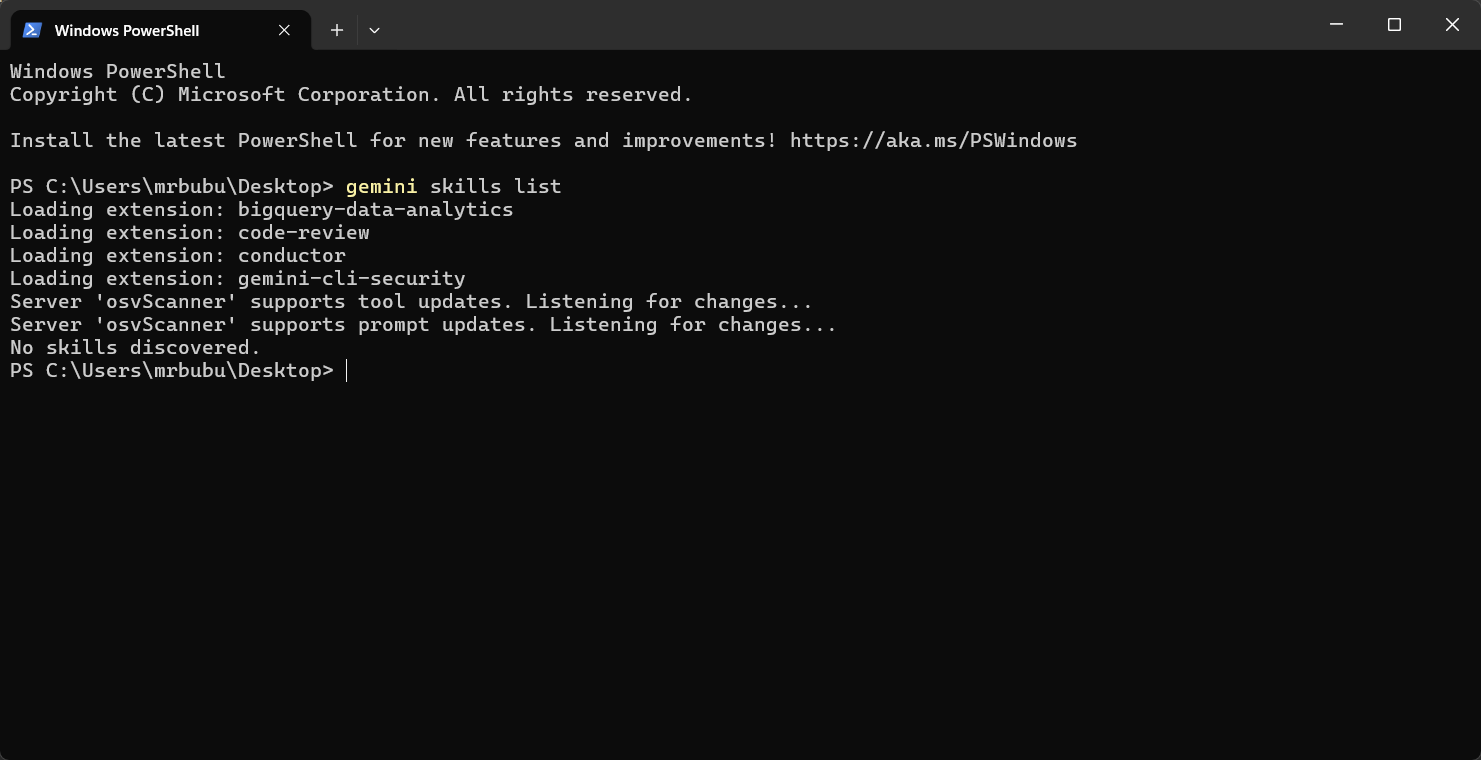
As we increasingly rely on multiple Large Language Models (LLMs) and AI-powered tools, managing their skills sets can become a logistical challenge. Each tool often maintains its own separate folder for skills, leading to duplication of effort when you want to share or update them. If you want to maintain a consistent set of capabilities across your entire AI toolkit, you need a better way. This post introduces a straightforward solution: a batch script that creates a centralized repository backed up to Git for all your LLM skills....

Recently, a client approached us at Serpstat with a unique request for a custom data export format. This wasn’t a standard feature, and there was a real risk it would get lost in the shuffle of our ongoing development roadmap. The core of their need was to create an API wrapper for Serpstat’s RtApiSerpResultsProcedure.getUrlsSerpResultsHistory API method. However, they required a very specific output: a custom filtered data set presented in a wide format, specifically for a single date....
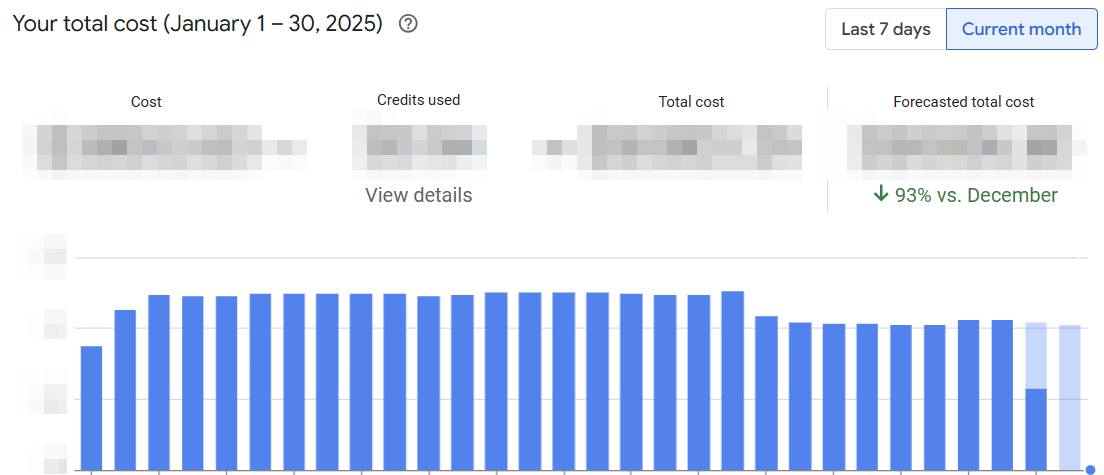
Unexpected spikes in your data storage or processing costs can be alarming, often resulting from inefficient data management, outdated retention policies, or sudden increases in query activity. Left unchecked, these spikes can lead to significant budget overruns, making it crucial to act swiftly. It’s common to retain information that holds little immediate value but cannot be discarded due to compliance, legal, or potential future requirements. This data occupies valuable storage space and can incur substantial costs....
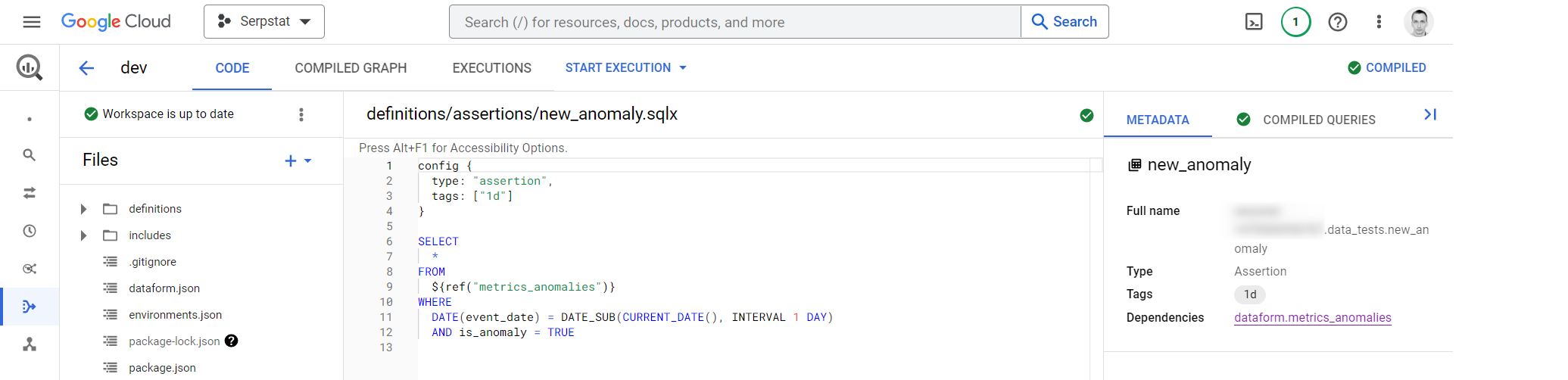
In my previous post, I briefly overviewed Dataform in BigQuery. Now that your Dataform project is mature enough to support business decisions, it’s time to try something new and build a machine learning anomaly detection pipeline with BigQuery ML. Let’s assume that you already store a number of daily sign-ups and payments in BigQuery. You want to get a notification if there is an unusual drop or a spike in any of these metrics....
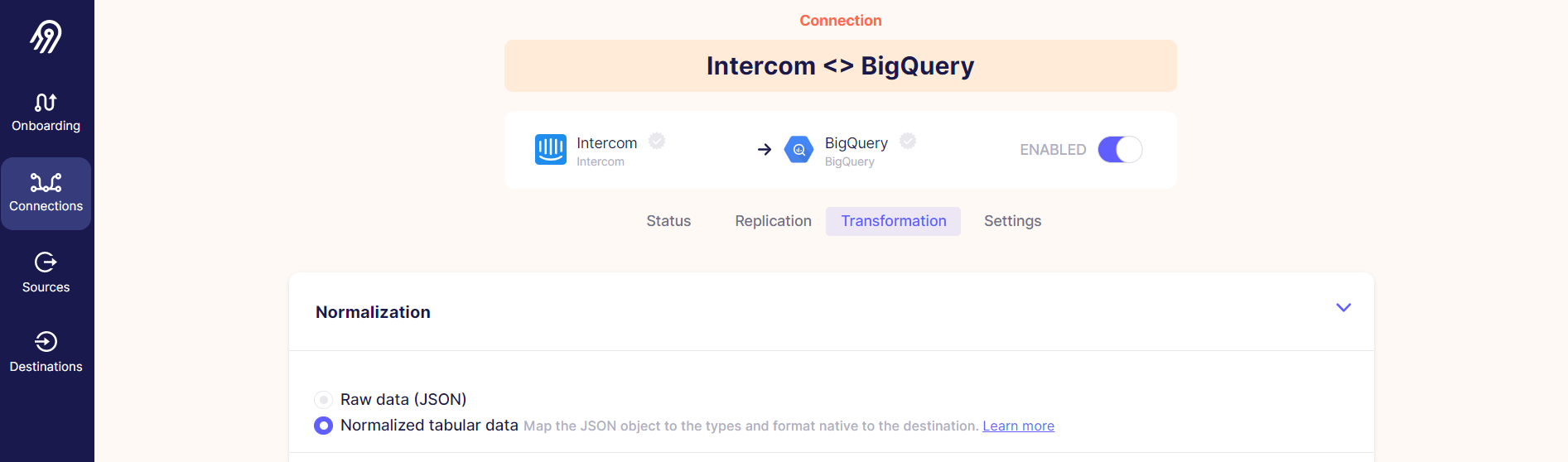
My first story on the Google Cloud Platform cost optimization was about the hidden secrets of Looker Studio (formerly Google Data Studio). Let me tell you another story on how to find the source of soaring costs. Some new cool features for cost optimization are now available on GCP so let’s start. The support team lead reached out to me asking if we can get the content of comments from Intercom....
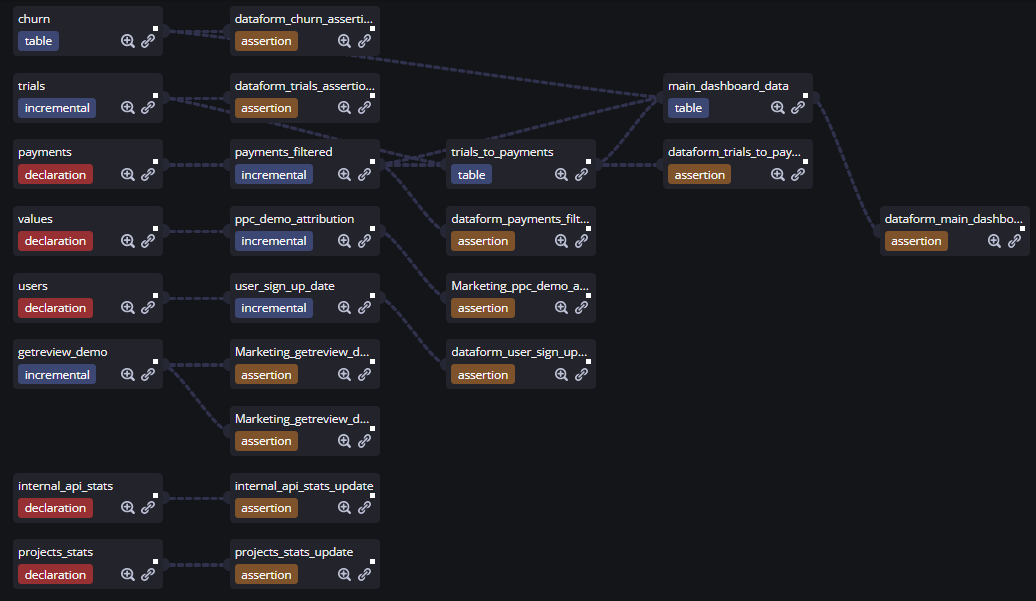
I’ve been using Google BigQuery since its’ public release and I like where it has been going through all these years. The team behind the product is doing an amazing job and I do not remember any public feature with no apparent use case. One of the most noticeable BigQuery evolution branches for me is from simple storage and query engine to internal scheduled queries mechanism and a non-linear interconnected query logic for data manipulation later on....
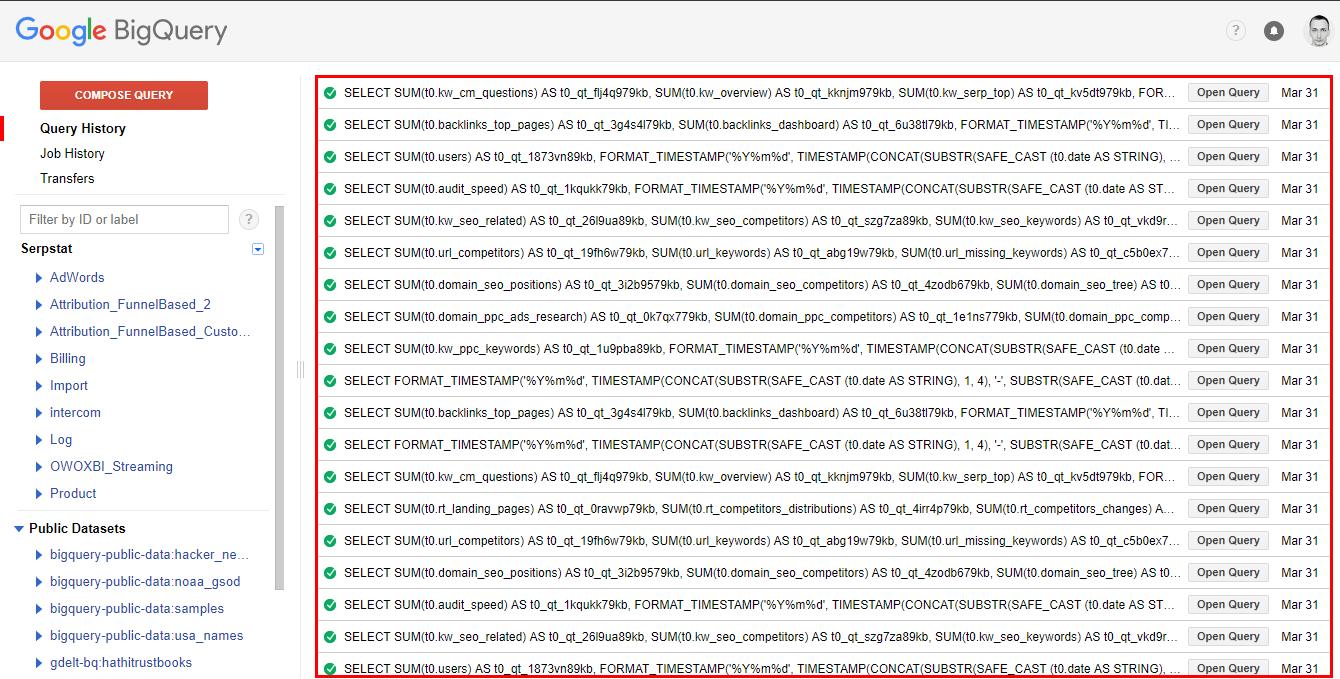
Update. I updated this article with a new case of BigQuery cost optimization. One of my responsibilities as a product manager is tracking the influence of product on key metrics like revenue or MRR. I also prefer to share this data with my team for us to be on the same line while we are developing new features or improving something that already exists. A dashboard with a number of key metrics is good choice here....
One of the best practices for storing service account keys is to rotate them on a regular basis. You can do that manually but it would be much better to have a kind of mechanism that doesn’t let you miss the date of key renewal. I will use some gcloud console commands here but it is not necessary as you can do the same in Google Cloud Platform (GCP) interface....
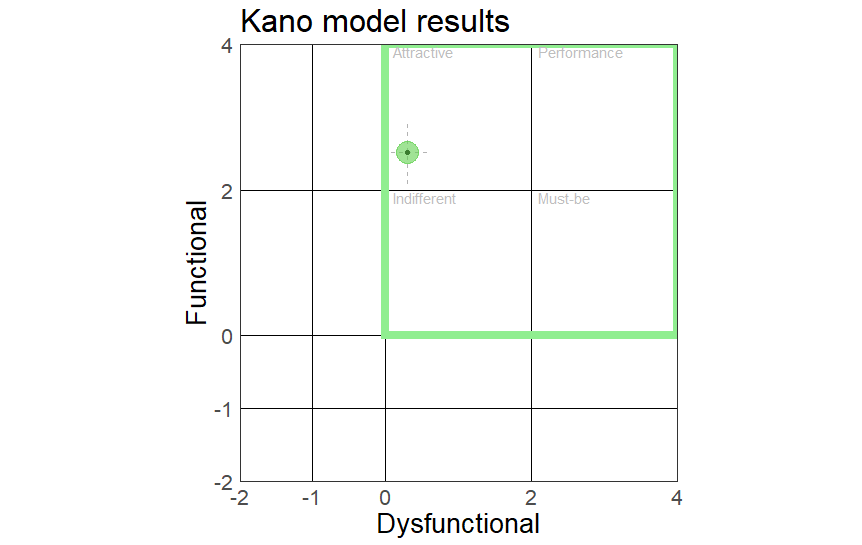
As a product person you are usually trying to find a balance between time to market and amount of value delivered to your users. In other words, if something produces a lot of value and you don’t have to spend ages before you release it - you are good to go. Of course you should have some level of confidence in what you are going to do and raising up this level is a really good habit....

It was yet another online meeting where we discussed design patterns with my colleagues. Somewhere during the conversation I used the knowledge about disjunctive normal form in boolean logic as an argument to throw away some unnecessary UX elements. This saved us tens of hours on design validation and development. At the end of the meeting one guy told me that he thought he would never use math again after he graduated from the university....